PHAs are developing innovative strategies to enable more voucher residents to live in high opportunity neighborhoods with access to resources critical to their long-term success. There is considerable research suggesting that HCV program participants, especially those with young children, achieve better outcomes when they are able to use their voucher in a safe neighborhood with access to quality schools. CLPHA, along with the Poverty and Race and Research Action Council (PRRAC) sponsors the biennial National Housing Mobility Conference, which features presenters from the realms of research, policy, and practice to bring attendees up to date on developments in the field and spark discussions that will push the work forward.
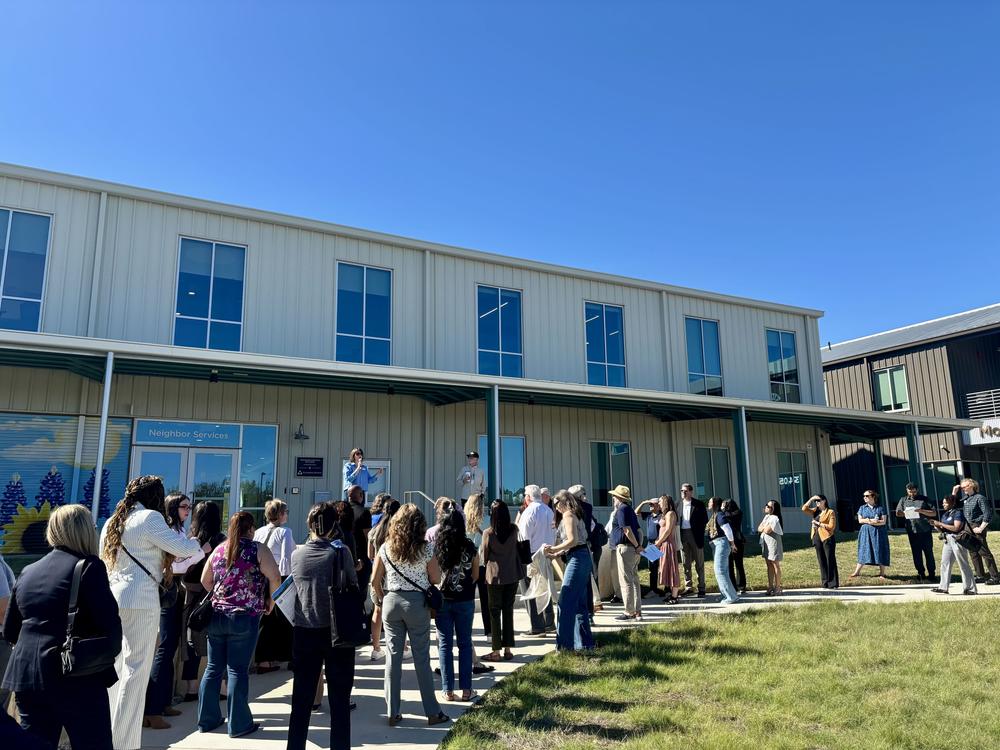
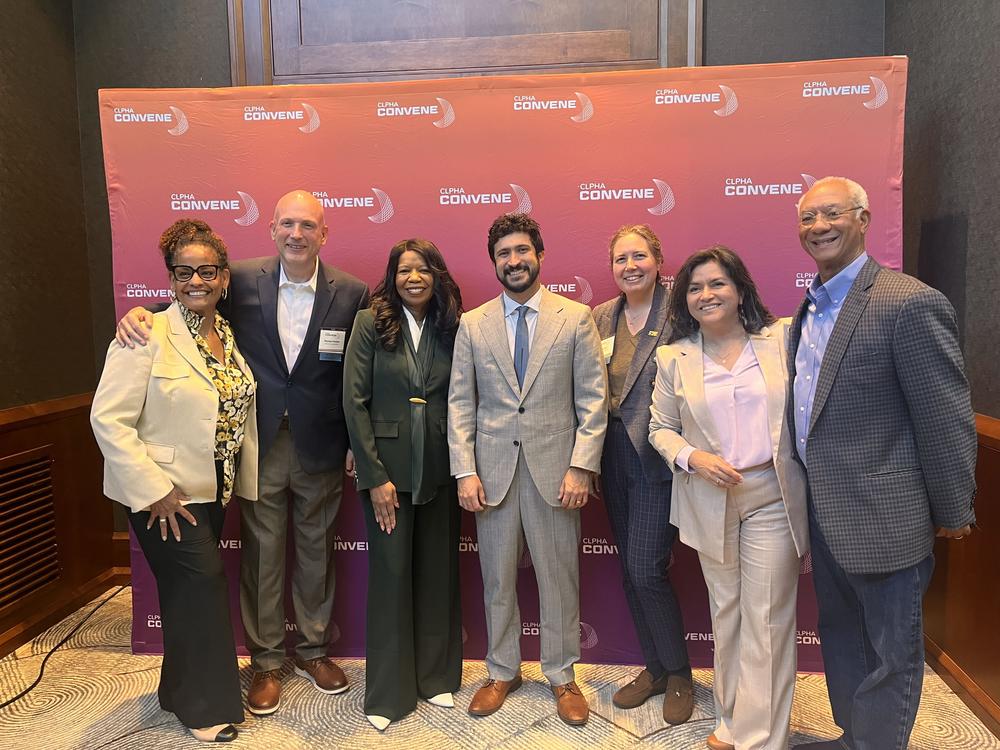
Last week, public housing leaders from across the country gathered in Austin, Texas for CLPHA CONVENE Austin. We arrived in the Lone Star State just days after a historic midterm election that reshaped political landscape not just of Texas, but our nation. Against this backdrop, the conference, hosted by the Austin Housing Authority (AHA), brought together our members to discuss the evolving challenges and opportunities facing the public and affordable housing industry.
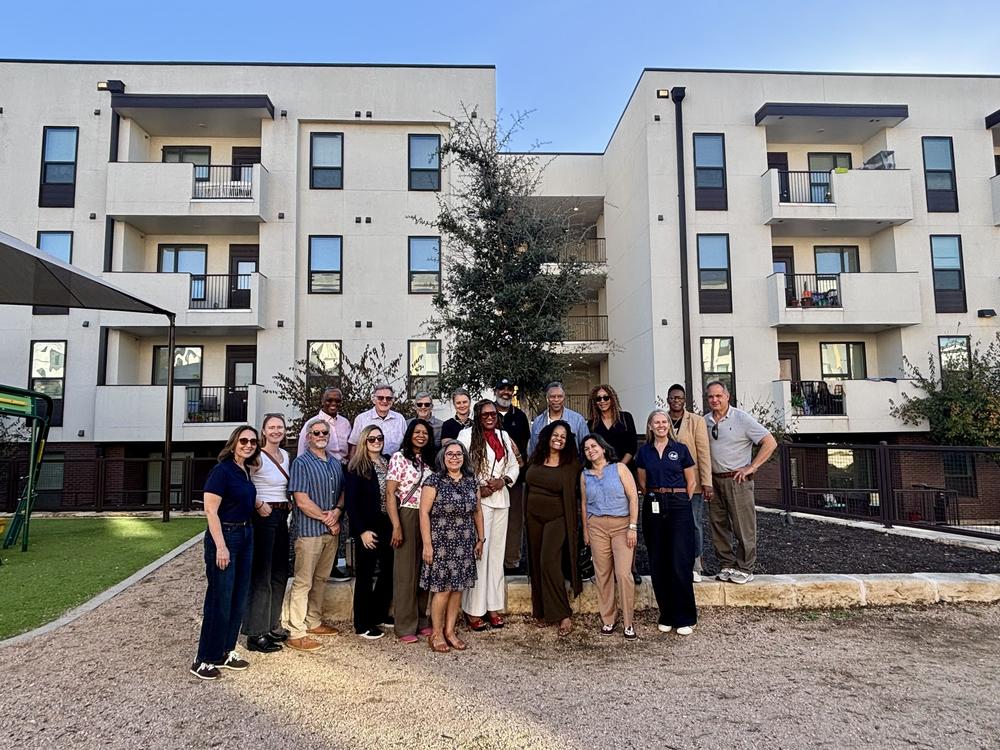
The conference opened with a bus tour of the groundbreaking Community First! Village for people formerly experiencing homelessness, AHA's historic Rosewood Courts, and AHA's Chalmers Courts community that features a medical and dental clinic and Boys & Girls Club activity space on-site. AHA highlighted Austin's successes and challenges with affordable housing development while giving attendees an opportunity to see local housing initiatives firsthand and explore the approaches AHA is taking to address affordability and expand housing opportunities. After the bus tour, attendees were treated to an evening reception catered by Terry Black's, one of Austin's most beloved barbecue joints.

Thursday's program offered a full slate of conference sessions, including remarks Congressman Greg Casar (D-TX), Chair of the Congressional Progressive Caucus. Rep. Casar stressed that cost of living, including housing affordability, will be a top concern in the new Congress. He urged attendees to seize this moment with so many new representatives joining Congress to advocate for the tools and resources they need to provide housing opportunities for low-income families in their communities. Semafor congressional reporter Nicholas Wu also joined attendees to analyze the 2026 midterm elections, examining voting trends, implications for the next Congress, and the political landscape heading into the 2028 election.
A major focus of Thursday's discussions was the changing federal regulatory environment and its implications for housing authorities. In a session titled "Navigating the Maze: Perspectives from Practitioners on Evolving HUD and Other Federal Regulations," housing authority leaders and legal experts discussed the operational, legal, and risk management challenges associated with new HUD regulations, executive orders, and federal requirements. Topics included federal grant conditions, immigration enforcement and mixed-status households, procurement, Build America, Buy America (BABA), the Rental Assistance Demonstration (RAD), and Restore-Rebuild.

Attendees also explored the role housing authorities can play in improving resident health and wellness. During "Bringing Health Home: Health and Wellness Best Practices That Strengthen Communities," representatives from AHA and its community partners discussed strategies for expanding healthcare access, improving health literacy, implementing Community Health Worker programs, and developing resident-centered wellness initiatives. The session highlighted the importance of partnerships and community-based services in supporting residents' health outcomes.
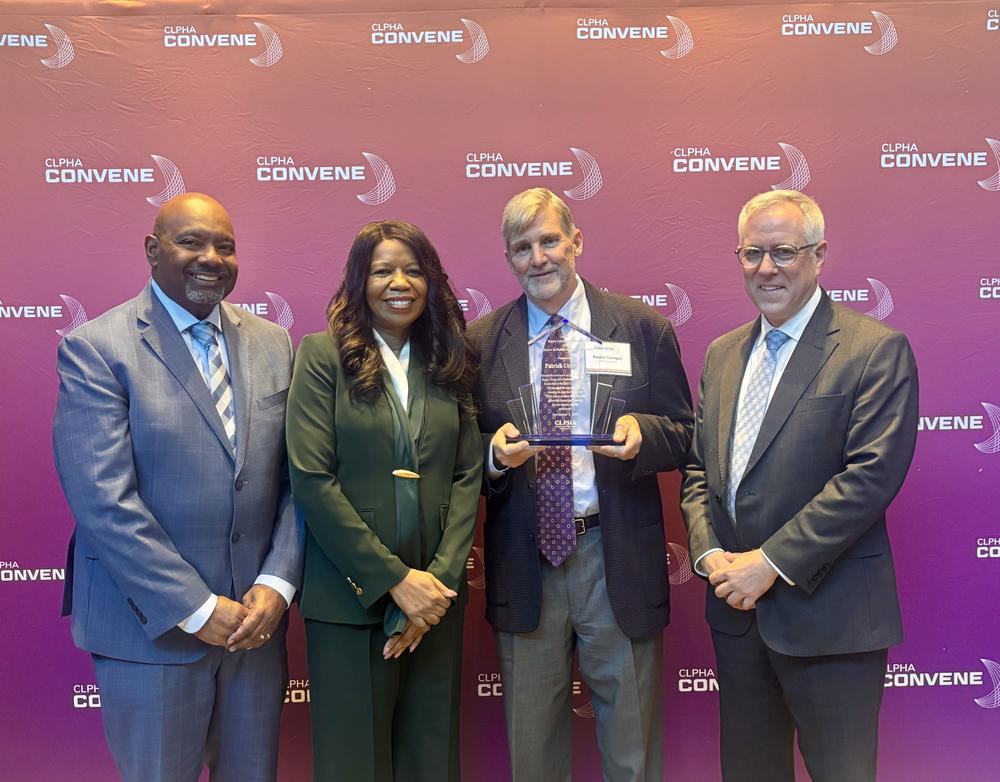
We were also honored to present CLPHA's Sunia Zaterman Award for Excellence in Public Housing Advocacy to Patrick Costigan, principal and founder of the RAD Collaborative. A fireside chat with Costigan, CLPHA Board President Jeffery K. Patterson, and HUD Office of Recapitalization Director Tom Davis recognized Costigan's contributions to the public and affordable housing industry, particularly his work launching and implementing RAD. Without Costigan, the RAD program and its resulting transformation of nearly 300,000 units of our nation's affordable housing portfolio would not be possible.
Thursday's agenda concluded with a discussion of the challenges and opportunities facing Texas housing authorities. Leaders from housing authorities in Austin, El Paso, Fort Worth, Abilene, Houston, and San Antonio each shared the unique complexities of development, acquisitions, and long-term housing preservation in their state and discussed their approaches to navigating an increasingly challenging state political and policy environment.
Following a full day of conference sessions, attendees gathered for an AHA-hosted reception at the Lyndon B. Johnson Presidential Library on the University of Texas campus. As president, LBJ expanded the federal government’s role in housing, created HUD, and signed into law major housing legislation that increased federal investment in public housing, housing assistance, urban renewal, and community development. There was no more fitting place in Austin for PHA leaders to gather, and attendees enjoyed excellent Tex-Mex while taking in the library's exhibits.

Friday's sessions opened with a discussion of updated HUD guidance on Section 18 demolition and disposition applications, featuring staff from HUD's Special Applications Center. Attendees had the opportunity to learn about changes affecting Section 18 applications, RAD/Section 18 blends, TPV eligibility, and other requirements directly from HUD representatives. We also continued our series of conference sessions on AI with staff from the Housing Authority of the City of El Paso (HACEP) demonstrating their AI-powered software designed to streamline Housing Choice Voucher (HCV) recertifications. HACEP's demo offered attendees a look at how emerging technology can reduce administrative burdens, save staff time, and improve agency operations. During the session "Leading Through Transition: Strategic Change Management for Housing Executives," housing authority executives from across the country explored strategies for navigating leadership changes, transforming organizational culture, and aligning staff around new priorities.
Throughout the conference, CLPHA CONVENE Austin provided an important opportunity for members to exchange ideas, share their local experiences, and strengthen relationships across the public housing industry. As housing authorities continue to navigate a rapidly changing political environment while working to preserve and expand affordable housing, the conversations in Austin reinforced the value of collaboration, advocacy, and peer learning.
Thank you to our sponsors AHA, Airtable, CVR Associates, Yardi, the Christopher Group, HAI Group, and Nan McKay & Associates for helping to make our conference possible. We look forward to seeing our members at CLPHA CONVENE DC on March 18-19, 2027, in Washington, D.C.

Rule Effective December 14, 2026
Today, HUD published the final rule “Housing and Community Development Act of 1980: Verification of Eligible Status” in the Federal Register. The rule finalizes HUD’s proposed February 2026 rule and changes HUD’s regulations implementing Section 214 of the Housing and Community Development Act of 1980. Section 214 now prohibits HUD from providing financial assistance to anyone other than U.S. citizens and certain categories of eligible noncitizens. The rule affects programs covered by Section 214, including Public Housing, the Housing Choice Voucher program, and Project-Based Rental Assistance.
Overturning the rule is a top CLPHA legislative priority for the new Congress. CLPHA staff are reviewing the extensive final rule and will share a more detailed analysis in the coming days. We will also convene the CLPHA Mixed-Status Task Force soon to discuss what the rule means for members. Watch for details of the meeting.
Under the final rule, PHAs and owners will be required to verify both citizenship and immigration status through the Department of Homeland Security’s Systematic Alien Verification for Entitlements (SAVE) system. The rule removes the option for household members to “not contend” eligible status. It also ends the long-standing practice of allowing mixed-status families to receive prorated assistance on an ongoing basis. Under the final rule, proration is available only while family members’ status is being verified. Mixed-status families who lose eligibility may still request a temporary deferral of termination of up to 18 months, a protection available under current law.
HUD kept most of the proposed rule, with a few changes. The most notable lets PHAs and owners grant an additional 30-day extension, for up to 60 days total, for families to get the documents they need. Tenants must be told that these extensions exist.
Key dates:
- Effective date: December 14, 2026 (30 days after publication)
- Tenant notification deadline: PHAs and owners must notify affected tenants of the new Section 214 requirements no later than 30 days after the effective date (January 11, 2027)
In April, CLPHA and Reno & Cavanaugh submitted comments strongly opposing the proposed rule. The comments argued that it conflicts with Section 214 and Congressional intent, imposes significant unfunded administrative burdens on PHAs, and would force mixed-status families to choose between leaving assisted housing and separating.
|
(Washington, D.C.) November 10, 2026 – Following the 2026 midterm elections, in which Democrats secured majorities in both the U.S. House of Representatives and the U.S. Senate, La Shelle Dozier, chief executive officer of the Council of Large Public Housing Authorities, issued the following statement on the path forward for public and affordable housing policy:
“Last week’s election results send an unmistakable message to Capitol Hill: housing affordability is a top priority for American voters. Across the country, low-income families are struggling with rising rents and a severe shortage of affordable homes. True housing affordability requires robust federal investment in rental assistance so that low-income families, seniors, and people with disabilities can keep a roof over their heads.
“The incoming Democratic majorities in both chambers will shift the legislative landscape for public and affordable housing. With new leadership taking the helm of key authorizing and appropriations committees, Congress now has a vital opportunity to secure meaningful funding increases for federal rental assistance programs. For the past several years, public housing authorities have relied on HUD’s inflation-based renewal formulas which have failed to keep pace with real-world market rents and limits communities' ability to serve families in need.
“Now, Lawmakers will return to Washington, D.C. to finish the work of the lame duck Congress, including funding the government for 2027. While the legislative path forward has not yet been determined, CLPHA’s funding priorities will not change, including:
“CLPHA looks forward to working with returning and newly elected members of Congress on both sides of the aisle to protect existing federal housing investments, expand rental assistance, and build the affordable housing supply our communities desperately need.” |
|
### Media Contact: (202) 550-1381 About the Council of Large Public Housing Authorities
|
Many CLPHA member PHAs participate in special purpose voucher programs, such as the Family Unification Program (FUP), the Department of Housing and Urban Development and Veterans Affairs Supportive Housing Program (HUD-VASH), and the Non-Elderly Disabled (NED) program. These programs serve especially vulnerable low-income households who are in need of supportive services to ensure long-term housing stability. CLPHA members have created a variety of innovations to more effectively serve program participants.